


Who this serves
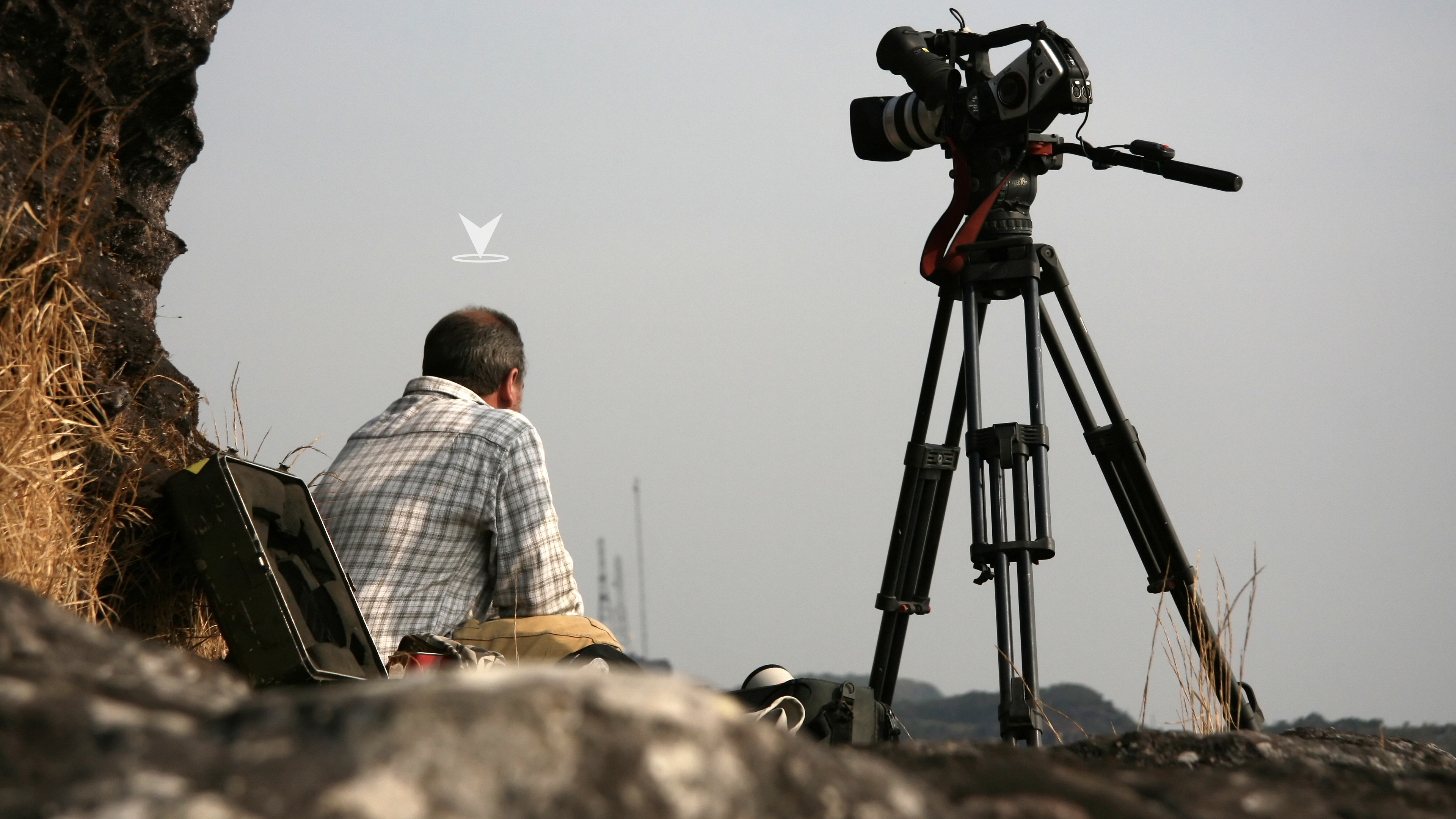
Foreign correspondents covering civil unrest. Freelance photographers in conflict zones. Production crews on location in remote or unstable regions. Investigative journalists whose subject matter creates exposure. Documentary teams whose timelines require time in places most insurance policies will not touch.
This work has always carried risk. The infrastructure to manage that risk has not historically kept pace. Hawkeye was built for the moment when a story matters enough to be told from inside a difficult environment, and the people telling it need backup that goes beyond a check-in app.
What this looks like
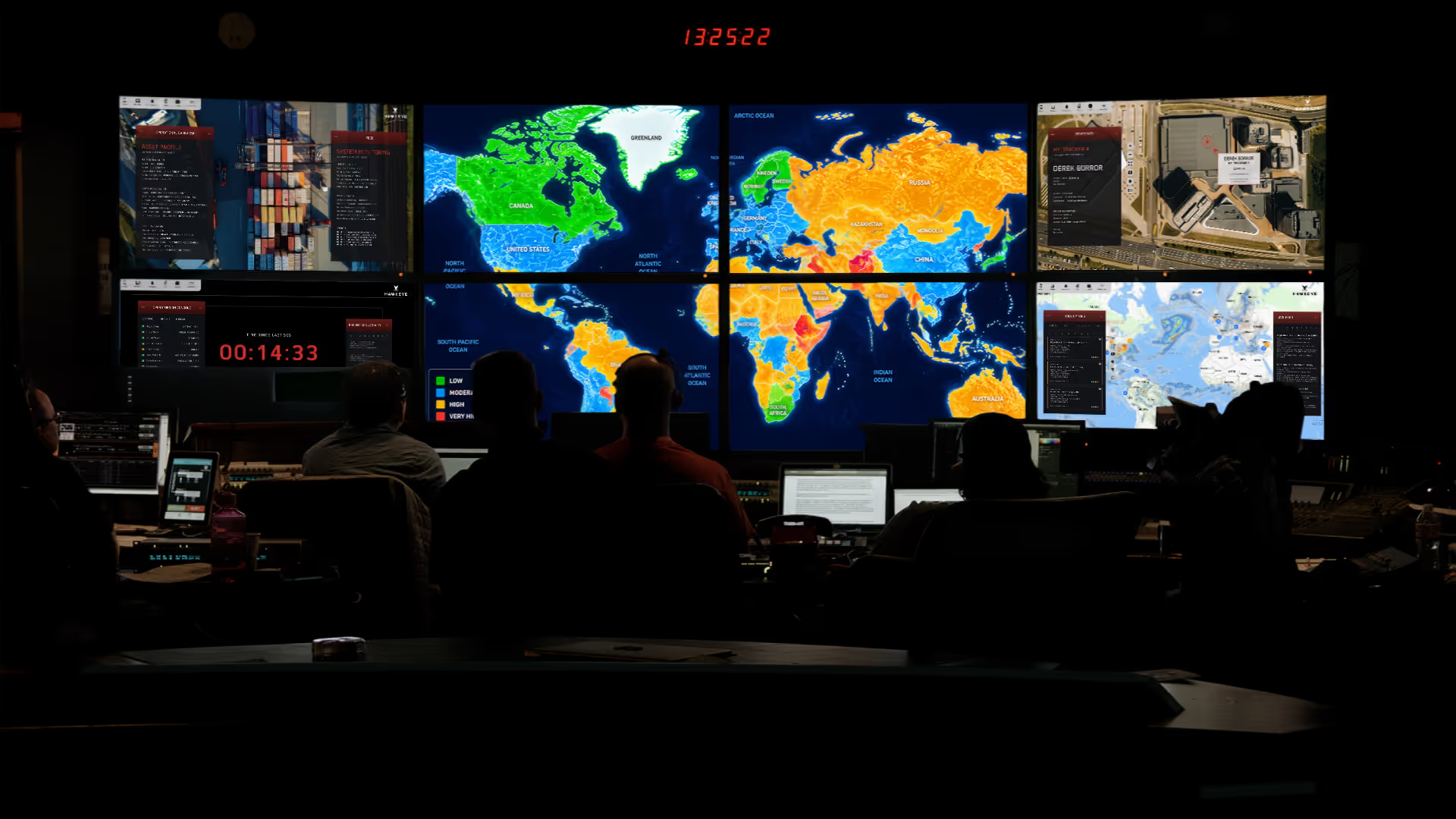
The GIOC provides real-time overwatch on the reporter or crew. Tracking of movements through the environment. Coordination with local contacts and extraction resources if conditions deteriorate. SOS access to an analyst who has been briefed on the assignment and the geography — not a customer service representative reading a script.
Pre-deployment intelligence on the specific city, neighborhood, or region the team is working in. Vetting of local fixers and drivers. Direct contact with the home desk when something develops in the field that the editor needs to know about before it hits a wire.
What it costs you to skip this
Most freelance journalists work without an organization behind them in the moment. Most production budgets do not assume a crisis. The cost of an incident — physical, legal, reputational — is almost always higher than the cost of having watched. Hawkeye exists for that exact gap.
The stories worth telling are often told from places where the systems do not hold. Hawkeye is the system that does.